#BlogElul 9: Hear

#BlogElul 2013NB: I know it’s not the 9th of Elul. We just got back from visiting family in southwestern Florida, so I have a little catching up to do.

I.

Our nephew just turned three, and among the birthday gifts we brought for him was a new book. I spent a good chunk of our time in southern Florida with a small boy perched on my lap as we paged through the slim, lushly illustrated volume. We must have read it all the way through five times on the first evening alone. The next two days, I could barely gulp down my coffee or snag a bite of bagel in the morning — he wanted to hear the story again, again, again. It didn’t matter that he had practically memorized the words already. He had to hear it.

II.

I know my husband loves me. No matter how deep in my marrow I know it, I still want to hear him say it, to feel his words like a caress.

III.

If I have wronged someone, it doesn’t matter whether that person knows I’m sorry. They still deserve to hear my apology in my own words and voice.

IV.

Hearing the week’s Torah portion being chanted is an entirely different experience than reading it. The sound of the word, not just its dictionary definition, helps illuminate its meaning.

V.

In services, we hear some of the same words and phrases repeated over and over again, and the repetition makes the rhythm that helps us build kavanah, prayerful intention, the right state of mind. All prayer would be silent if hearing were unimportant.


#BlogElul, the brainchild of Rabbi Phyllis Sommer, invites participants to chronicle the month leading up to the Jewish High Holy Days through blog posts, photos, and other social media expressions.

#BlogElul 8: Believe

#BlogElul 2013NB: I know it’s not the 8th of Elul. We just got back from visiting family in southwestern Florida, so I have a little catching up to do.

I already talked a little bit about that troublesome B-word, “believe,” in my second #BlogElul post. When we say today that someone “believes” something, we usually mean that the person has “confidence in the truth, the existence, or the reliability of something.” It’s a purely notional exercise: either we think a thing is true or we don’t.

As someone who grew up in the modern West, science is the primary lens through which I have been trained to view the world. When it comes to chemistry or mathematics or engineering or (my field) computer science, we do not accept as true — believe — a particular concept without first gathering supporting evidence. Every schoolchild learns about the scientific method of developing a hypothesis, testing it against the evidence, and only then deciding whether the evidence verifies the hypothesis.

The problem is that the truths of religion do not necessarily lend themselves to a yes/no, true/false binary. We cannot develop an experiment to determine empirically the veracity of a spiritual insight. And yet, we use language that assumes that religious truths are in the same category as empirical truths. My inner scientist squirms when someone asks me what I believe; I cannot answer that with a list of peer-reviewed facts.

If I had my choice, I would prefer to return to a much earlier understanding of the word “belief.” Our word in English came from a West Germanic word meaning “to hold dear, esteem, trust.” That definition resolves my inner conflict between the scientist who hesitates to make any assertions without hard evidence and the intuitive soul who trusts in the insights of her Jewish tradition.

Rather than asking people what they believe, as if they should be able to produce a list of facts and supporting experimental data, perhaps we should try asking our fellow human beings what they hold dear.


#BlogElul, the brainchild of Rabbi Phyllis Sommer, invites participants to chronicle the month leading up to the Jewish High Holy Days through blog posts, photos, and other social media expressions.
#BlogElul 7: Be

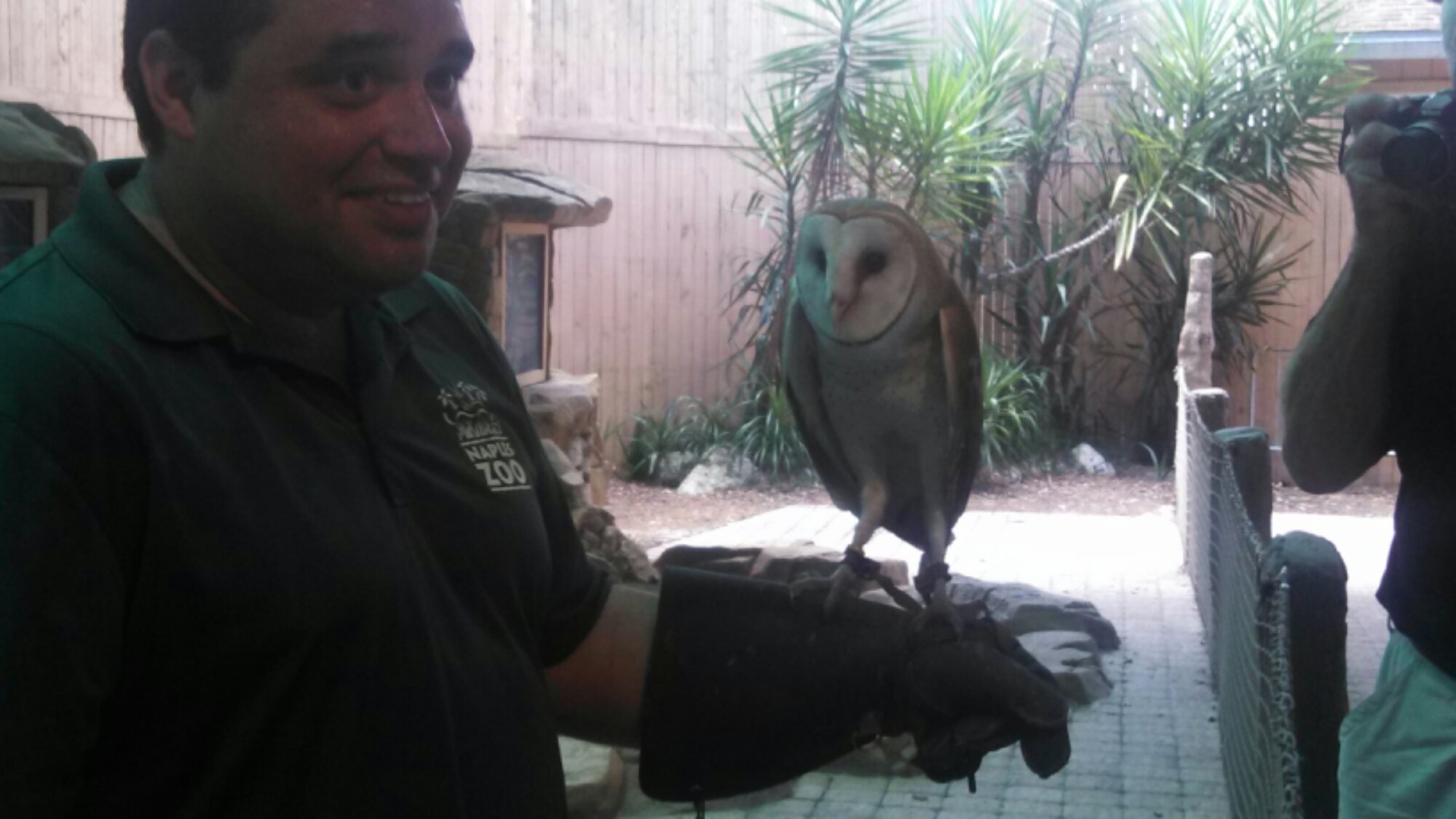
#BlogElul 2013This one is a little late; our nieces and nephew have conspired to keep us away from the computer. It is wonderful. One of the ways they kept us occupied was a visit to the zoo, which reminded me of a passage from Pirke Avot.

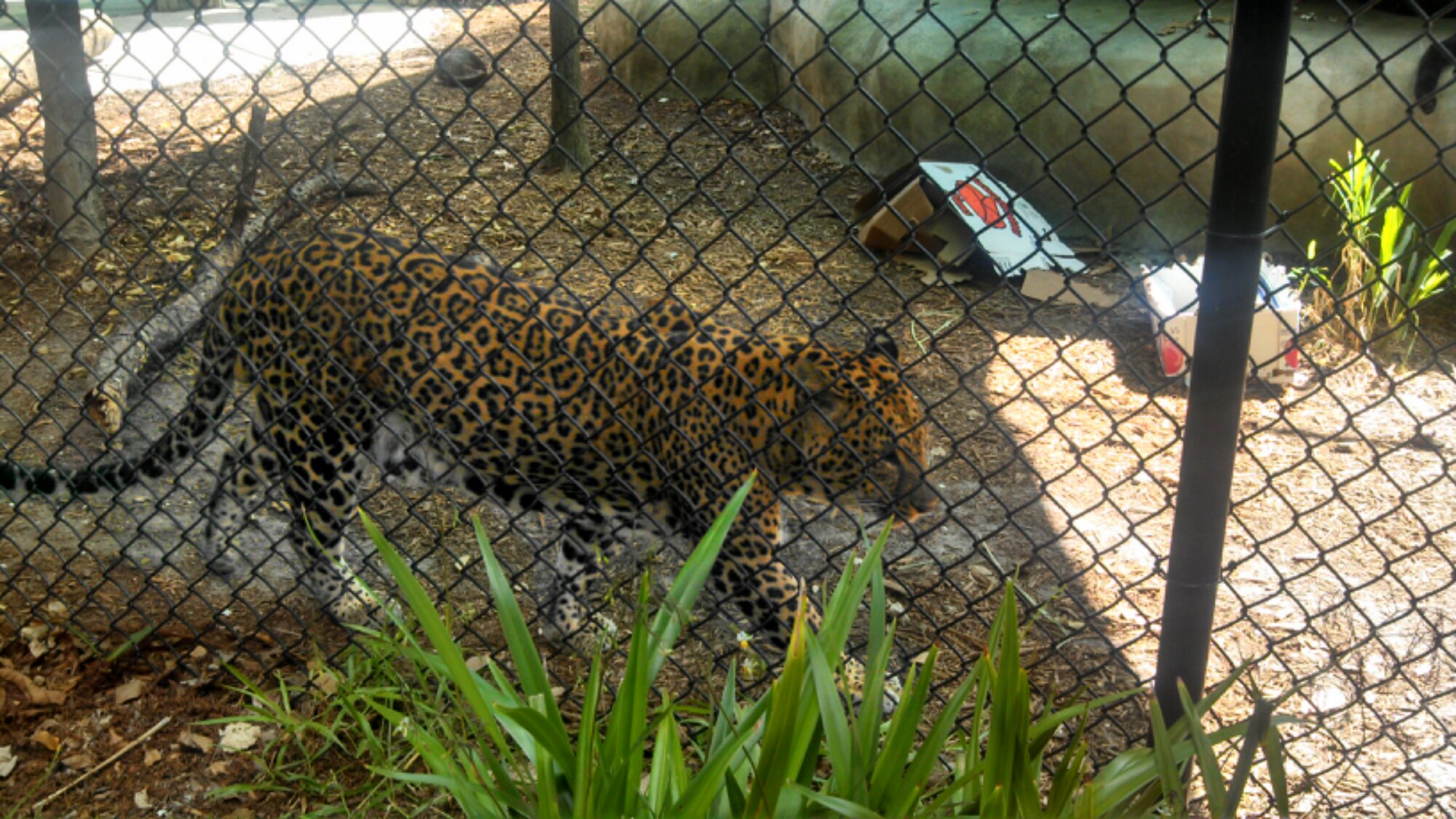
Yehuda ben Teima said: Be as bold as a leopard, as light as an eagle, as swift as a gazelle, and as brave as a lion to do the will of your Father in Heaven.

image

Be as bold as a leopard.

image

Be as light as an... owl, in this case.

image

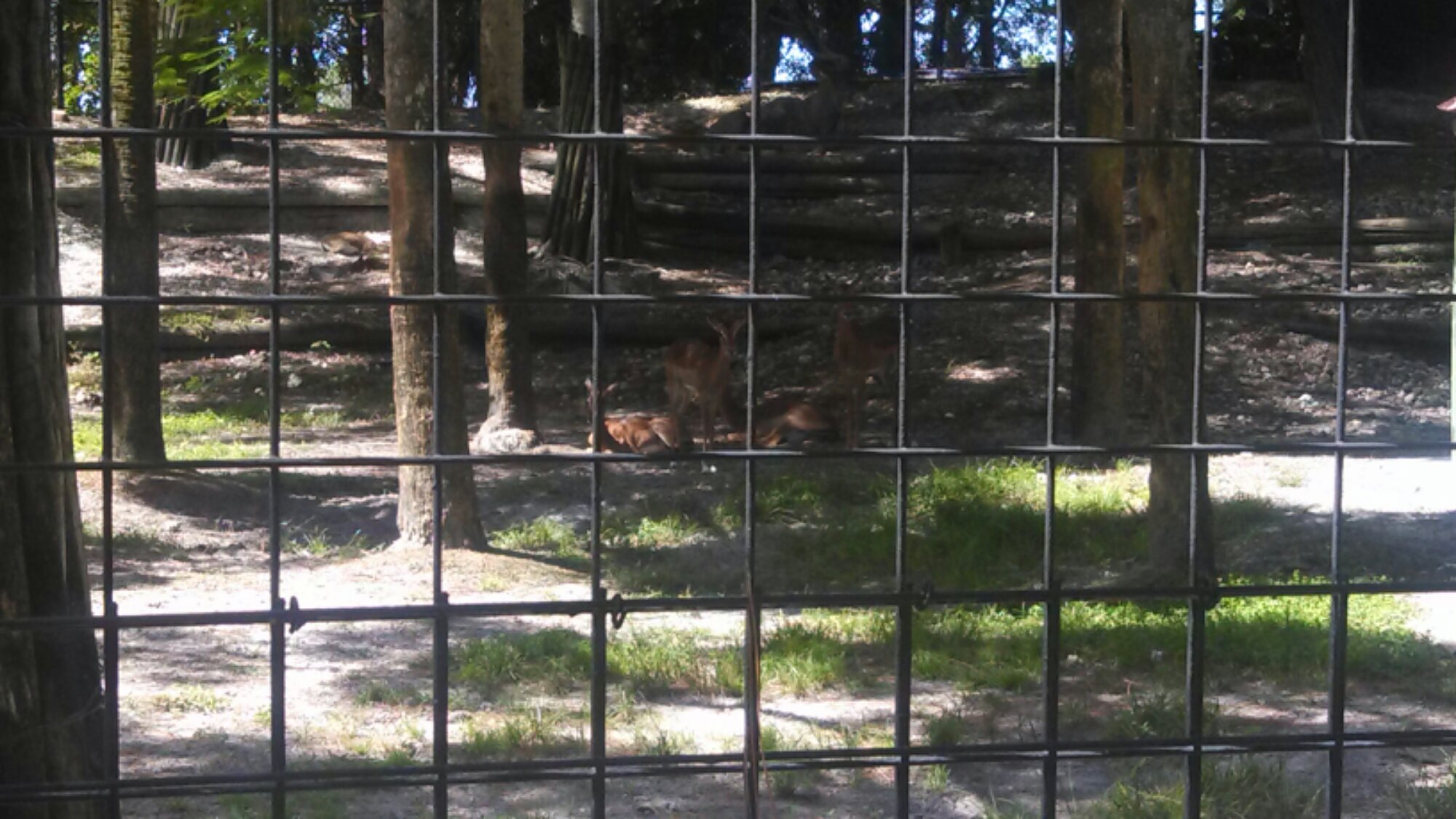
Be as swift as a gazelle.

image

Be as brave as a lion. Hey, even sleepy lions can be brave.


#BlogElul, the brainchild of Rabbi Phyllis Sommer, invites participants to chronicle the month leading up to the Jewish High Holy Days through blog posts, photos, and other social media expressions.
#BlogElul 6: Do

#BlogElul 2013Rabbi told us a story during Friday evening’s Shabbat service, a tale he’d picked up from a book he’d recently read to his two young daughters. It was about a little boy whose enthusiasm for magic — whereby things happen with a flick of the wand and the recitation of some suitably impressive-sounding words — got him into trouble when it didn’t bring the results he’d hoped in the real world. He wanted something for nothing, the accomplishment without the work.

Rabbi reminded us that if we want to enjoy the fruits of this season of spiritual renewal, we must do the work. If we fail to do our homework now, the ancient prayers we will utter at Rosh Hashanah and Yom Kippur will be no more than “magic” words. To put it in Harry Potter parlance, they’ll be as effective as a Muggle waving a stick and saying, “Accio broom!”

We know better than to expect an incantation to clean our house. The housekeeping of our heart requires equally real effort, for all that it isn’t physical labor. We must do the work; the arrival of the new year won’t magically do it for us.


#BlogElul, the brainchild of Rabbi Phyllis Sommer, invites participants to chronicle the month leading up to the Jewish High Holy Days through blog posts, photos, and other social media expressions.
#BlogElul 5: Know

#BlogElul 2013I realize that the last few days have been a bit of a departure from my usual subject matter. “What gives,” I imagine a reader asking as yet another #BlogElul post shows up in her feed reader or Twitter timeline, “with all this Jewish stuff? I thought this was a military spouse blog.”

I’m afraid I didn’t do a very good job of orienting readers who might be unfamiliar with Judaism to this month’s venture before I leaped right in with the first day’s topic. Most of the people I’ve gotten to know through this blog and my Twitter account are military spouses. The vast majority are not Jewish — unsurprising, since we’re a tiny minority in both the general population and the military world. While I have talked about Jewish stuff on the blog in the past, it was mostly in passing. This business with a Jewish blog post every single day for a whole month must seem like it came out of nowhere.

With that in mind, I have a question for any of my readers who might be a little perplexed by this whole exercise.

What do you want to know?

Do you have a question about Judaism? About our experience as a Jewish military family? Is there something you’ve always wondered about Jews or Judaism, but never felt like you could ask?

Well, here I am. I know some things. What good is knowing something if you can’t share that knowledge with others who want to know things?

For what it’s worth, I’ve answered these kinds of questions before from all kinds of folks. I don’t mind. We’re used to being a bit of a curiosity in the military world, and I’d much rather have people ask questions and learn something than worry that they’re going to offend us.

You can ask your question — big or little, silly or deep — in the comments to this post, on Twitter, or via the form below. If you want to remain anonymous, that’s fine, but you’ll need to at least leave me an email address if you want me to respond privately.

← Back

Thank you for your response. ✨

Warning
Warning
Warning

Warning.

I’m not a rabbi, and I’m not an expert on all Judaism-related topics. I certainly do not claim to represent all Jews. I have a little knowledge (probably just enough to be dangerous, right?) that I would be honored to share with those who wish to expand their own.


#BlogElul, the brainchild of Rabbi Phyllis Sommer, invites participants to chronicle the month leading up to the Jewish High Holy Days through blog posts, photos, and other social media expressions.